


With so many of us talking openly about menopause and how it affects us, we wanted to focus on menopause and nutrition – and share some top tips for eating well through it. Menopause usually happens between 45 and 55, and brings its own set of challenges and symptoms.
Caused by a drop in hormone production in the ovaries, symptoms vary depending on where you are in your journey; among the most common are night sweats, fatigue and brain fog. You may find the diet that worked for you before menopause no longer does, or that you need to add certain foods or supplements to support your body through this time.
Meera Bhogal, who specialises in menopause health and wrote Don’t Pause for Menopause: Your Guide to Optimum Menopause Health, shares her top tips for eating well during menopause.
Cutting back on sugar from processed and refined foods helps reduce insulin spikes through the day. Diabetes is more prevalent in menopausal women, so eating regularly – and leaning on slow-releasing wholegrains that won’t spike your blood sugar – really matters.
Collagen is a protein found throughout the body, and it makes up the connective tissue in our skin. It’s key to keeping skin looking youthful and healthy, and its benefits include plumper skin, fewer wrinkles, better elasticity and support for the gut lining.
Bone broth is especially good as we approach menopause, when we become less efficient at making collagen ourselves – a shift made sharper by falling oestrogen. Drink it each morning, or use it as a base for soup.
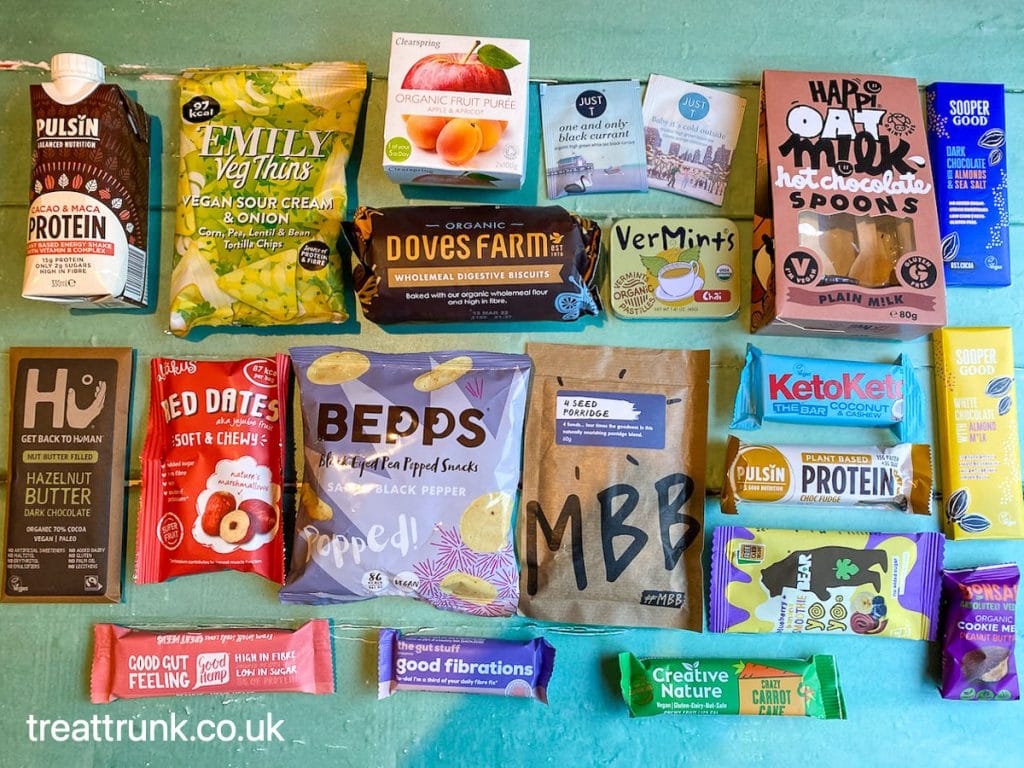
Eating enough is so important. There’s no single right way to do it – smaller snacks through the day, or three meals with a 2–3 hour gap between them (which helps your gut bacteria do their thing) both work. Getting enough good fuel keeps you feeling steady and holds brain fog at bay. It’s also about balancing blood sugar with whole foods to head off the afternoon slump and insulin spikes, so aim for protein, fibre and fat in every snack or meal.
To keep those snacks from being sugary treats, why not subscribe to one of our healthy snack boxes so your snacking is sorted?
Menopause weight gain is a real struggle for some, but we need healthy fats for all sorts of things – so don’t assume low-fat automatically means better for you. Healthy fats can actually help with weight and lower your risk of heart disease. Oily fish and avocado are both great sources.
Fibre is vital for digestion: it keeps things moving, prevents constipation and helps you feel full. It also lowers cholesterol by binding with bile acids in the intestines. That’s particularly important through menopause, when bowel changes are common and the risk of high cholesterol and bowel cancer rises.
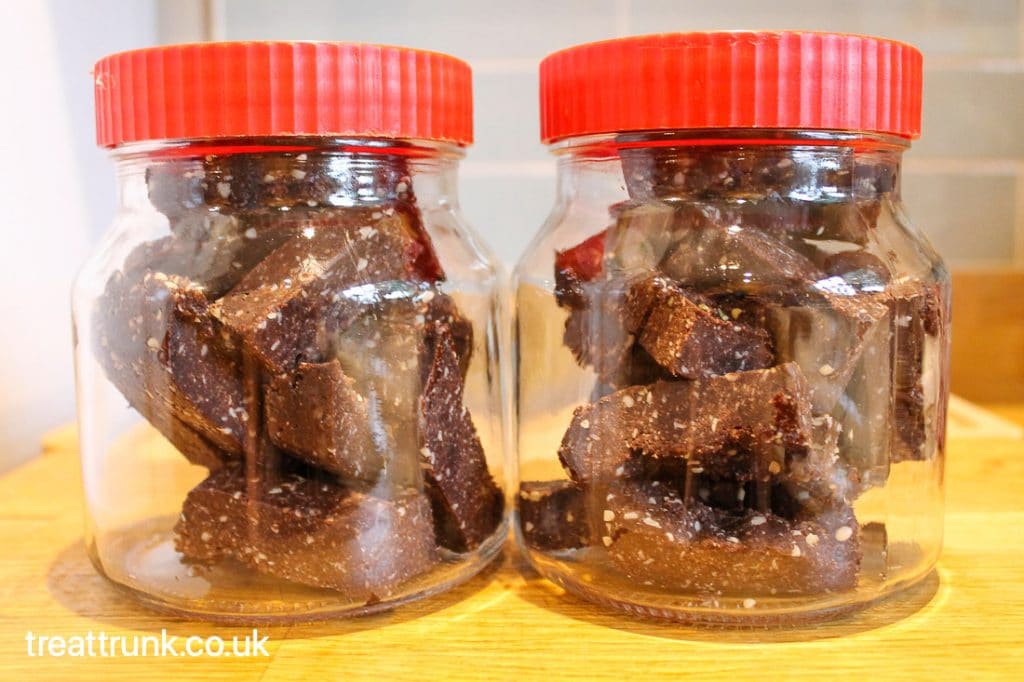
Base your need for supplements on evidence from a blood test. There’s no point taking anything unless you know you actually need it – so save your money and test first, then you can be sure you’re only taking what helps. Ones that can be useful include vitamin D, magnesium, zinc and collagen, though you can get some from food too: Brazil nuts, for example, are a great source of zinc and selenium.
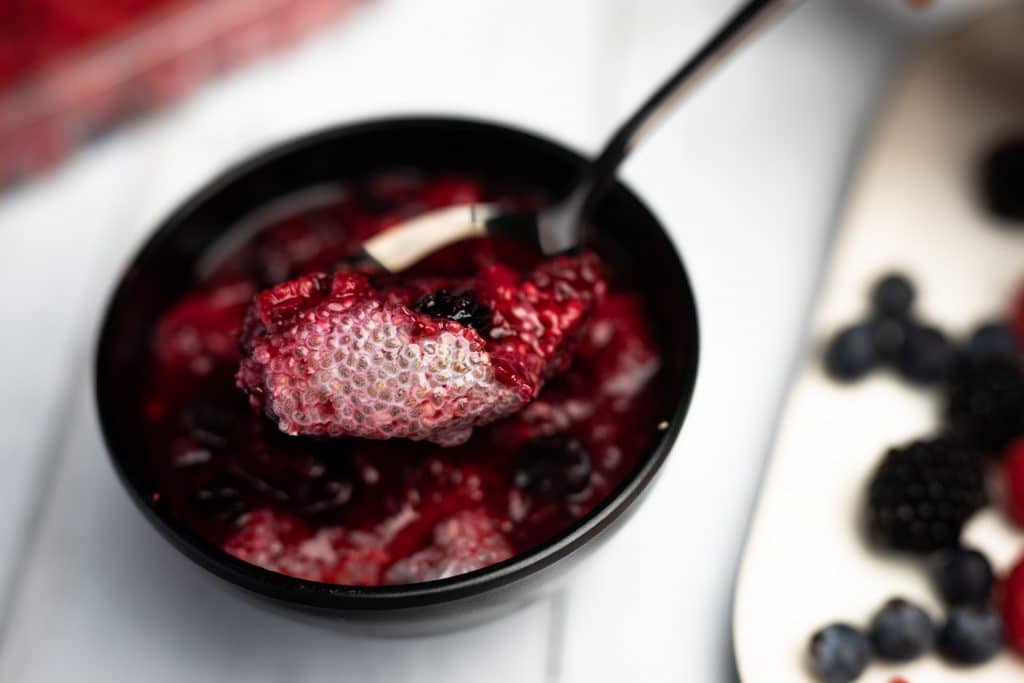
Protein is an essential macronutrient – it supports muscle development, repair and growth, cell maintenance, bone formation and energy production. It doesn’t have to come from meat: you might have an omelette for breakfast, or a smoothie made with plant-based protein powder, chia seeds and nut milk.
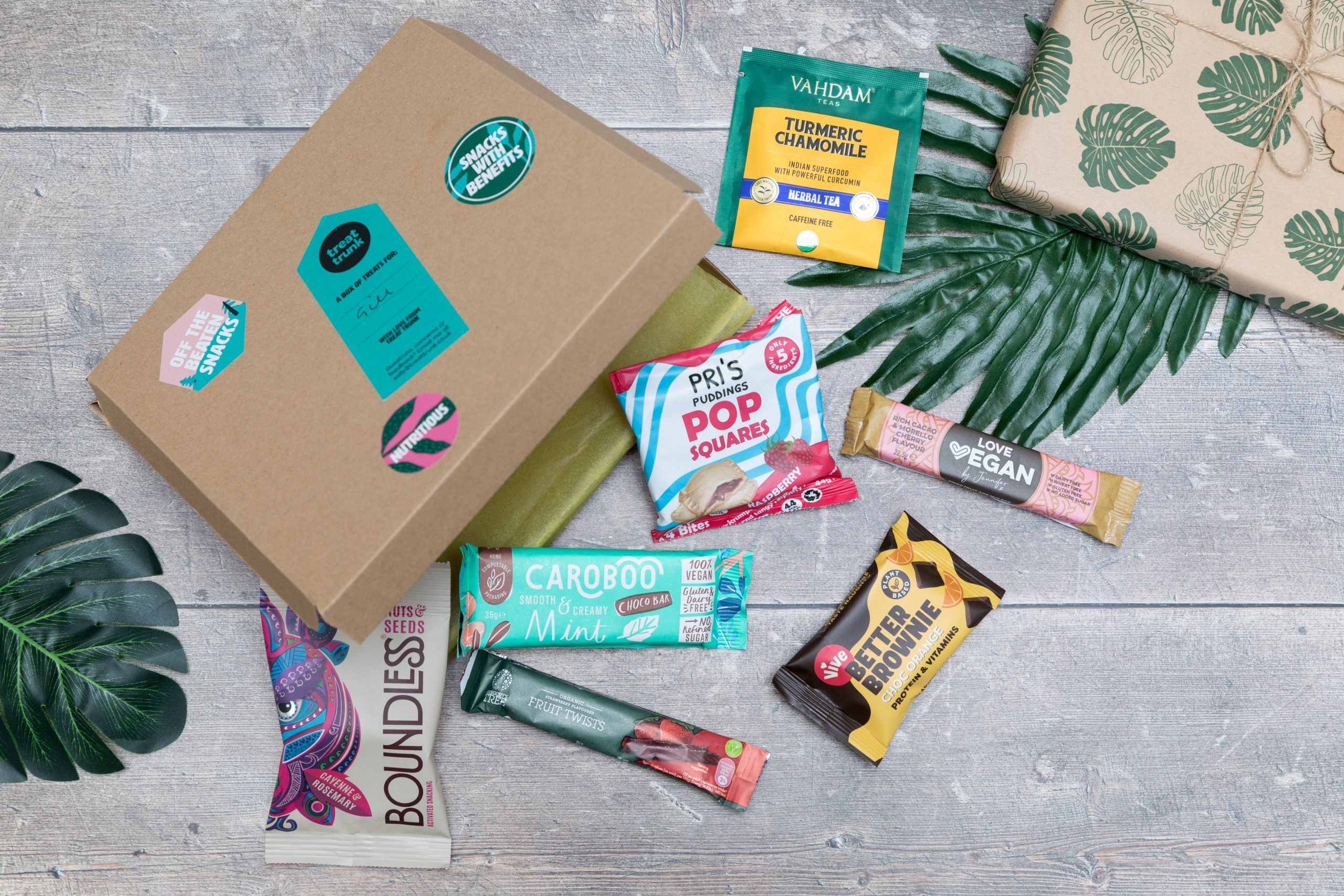
If you’re finding it hard to get started, take a look at our healthy snack subscriptions and visit Meera’s site for more.
Rated 3.8 out of 5 from 114 reviews on Trustpilot
Free Box Offer · Affiliate Portal · Office Snack Boxes · Corporate Snack Gifts · Corporate Christmas Hampers
Treat Trunk Ltd · Company No. 15624707 · Registered office: 86-90 Paul Street, London, EC2A 4NE